When the Visayas Face the Storm: What You Need to Know
Before a Typhoon: Flood Prevention Starts at Home
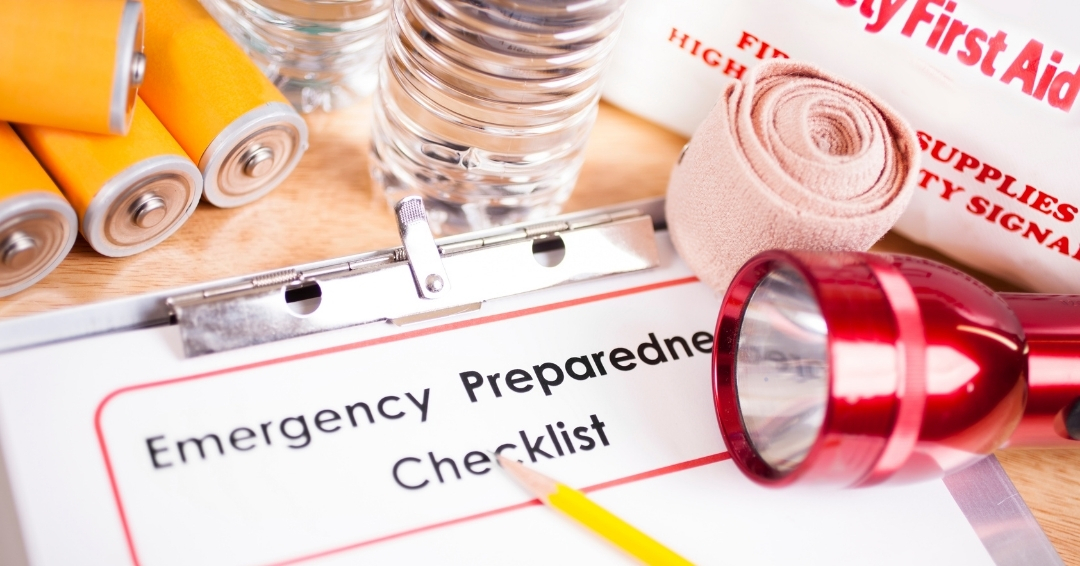
Preparedness begins long before landfall, and preventing flooding is a key priority. Households should clear canals, gutters, and drainage pathways to ensure water can flow freely. Secure outdoor items that may block waterways, elevate appliances and electric outlets when living in flood-prone areas, and install flood barriers or improvised water stoppers if available. Each household must have an emergency go-bag with bottled water, ready-to-eat food, first aid supplies, flashlights, batteries, medicines, hygiene kits, face masks, and waterproof copies of important documents. Ensure mobile devices and power banks are fully charged and monitor PAGASA advisories. Reinforce roofs, seal possible water entry points, and safeguard valuables in elevated or waterproof containers.
During a Typhoon: Prioritize Safety and Flood Awareness
As strong winds and rain intensify, stay indoors and keep away from windows. Switch off electrical power and unplug appliances, especially if water levels begin rising. Stay calm and listen to real-time announcements from NDRRMC or PAGASA. If authorities warn of rising floodwaters or mandate evacuation, act immediately and proceed to the nearest safe shelter. Keep emergency hotlines accessible and avoid going outside to check water levels, as flash floods can occur without warning.
After a Typhoon: Safe Return and Community Recovery
Recovery begins only when authorities declare areas safe. Avoid floodwaters, which may contain contaminants or conceal sharp objects, open manholes, or live electrical wires. Inspect your home for structural damage, weakened foundations, and exposed electrical systems before turning the power back on. Ensure all appliances and outlets have fully dried before plugging anything in. Clean and disinfect areas affected by floodwater to prevent illness. Support community recovery efforts by helping clear debris, reporting damaged infrastructure, and assisting vulnerable neighbors. Staying informed, prepared, and coordinated is essential to rebuilding safely and strengthening resilience for future storms.
EMERGENCY HOTLINES
Bureau of Fire Protection
117 or (02) 3410-6319
Department of Public Works and Highways
165-02
Department of Social Welfare and Development
165-02
National Emergency Hotline
911
National Disaster Risk Reduction and Management Council (NDRRMC)
(02) 8911-5061 to 65 local 100
PAGASA
(02) 8027-1541 or (02) 8926-4251
Philippine Coast Guard
(0917) 724 3682 or (0918) 967 7697
Philippine National Police
117
Philippine Red Cross
143 or (02) 8527-8385 to 95
Preparedness is more than just survival, it’s a collective act of resilience. By staying informed, alert, and ready, Filipinos can rise beyond every storm, stronger than before.