What You Need to Know Before, During, and After a Typhoon
The Philippines, located along the Pacific typhoon belt, faces an average of 20 tropical cyclones every year, with 8 to 9 making landfall, according to the Philippine Atmospheric, Geophysical and Astronomical Services Administration (PAGASA). The World Bank reports that about 74% of Filipinos live in areas vulnerable to floods, landslides, and storm surges. Most typhoons occur between July and October, and with the worsening effects of climate change, these storms have become more frequent and destructive, as confirmed by World Weather Attribution.
Before a Typhoon:
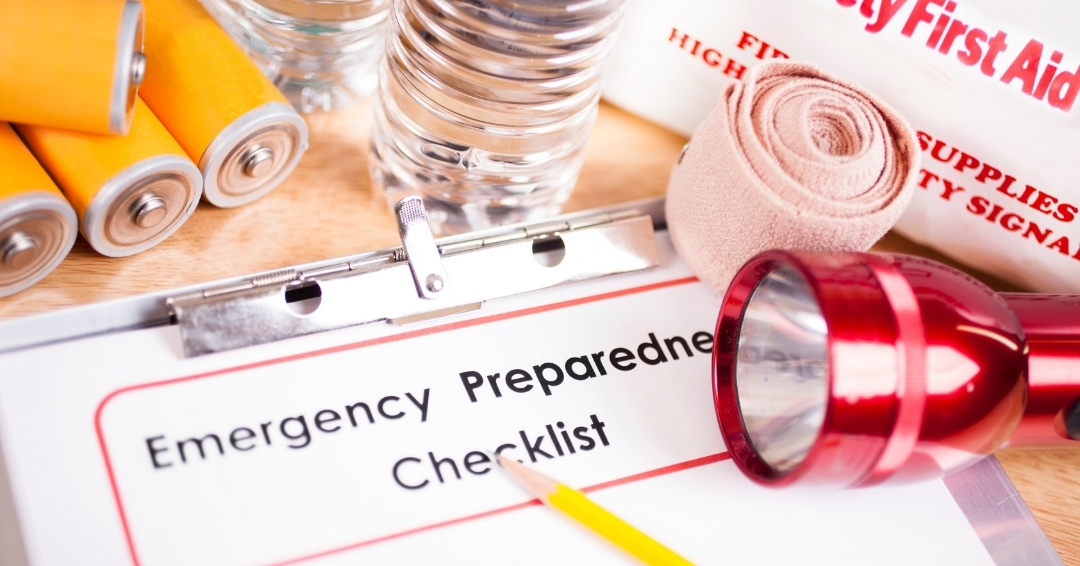
Preparedness begins long before the storm hits. Each household should have an emergency go-bag filled with bottled water, ready-to-eat food, first aid supplies, flashlights, batteries, medicines, face masks, hygiene kits, and waterproof copies of essential documents. Fully charge mobile phones, prepare power banks, and tune in to PAGASA for weather updates. Homes should be reinforced, secure the roof, remove loose objects, and clear drainage systems to prevent flooding.
During a Typhoon:
When strong winds and heavy rain begin, stay indoors and keep away from windows. Turn off electrical power sources and unplug appliances to prevent electrocution. Stay calm, listen to official announcements from NDRRMC or PAGASA, and if authorities advise evacuation, move early to the nearest safe shelter. Keep emergency numbers handy.
After a Typhoon:
Safety doesn’t end when the rain stops. Avoid wading through floodwaters, and check your home for damages or exposed electrical wires. Ensure all electrical equipment is dry before use and never plug in appliances that have been submerged. Wait for clearance from authorities before returning home if you were evacuated.
EMERGENCY HOTLINES
Bureau of Fire Protection
117 or (02) 3410-6319
Department of Public Works and Highways
165-02
Department of Social Welfare and Development
165-02
National Emergency Hotline
911
National Disaster Risk Reduction and Management Council (NDRRMC)
(02) 8911-5061 to 65 local 100
PAGASA
(02) 8027-1541 or (02) 8926-4251
Philippine Coast Guard
(0917) 724 3682 or (0918) 967 7697
Philippine National Police
117
Philippine Red Cross
143 or (02) 8527-8385 to 95
Preparedness is more than just survival, it’s a collective act of resilience. By staying informed, alert, and ready, Filipinos can rise beyond every storm, stronger than before.