Fashion Forward: The Transformative Role of Technology in Fashion Design
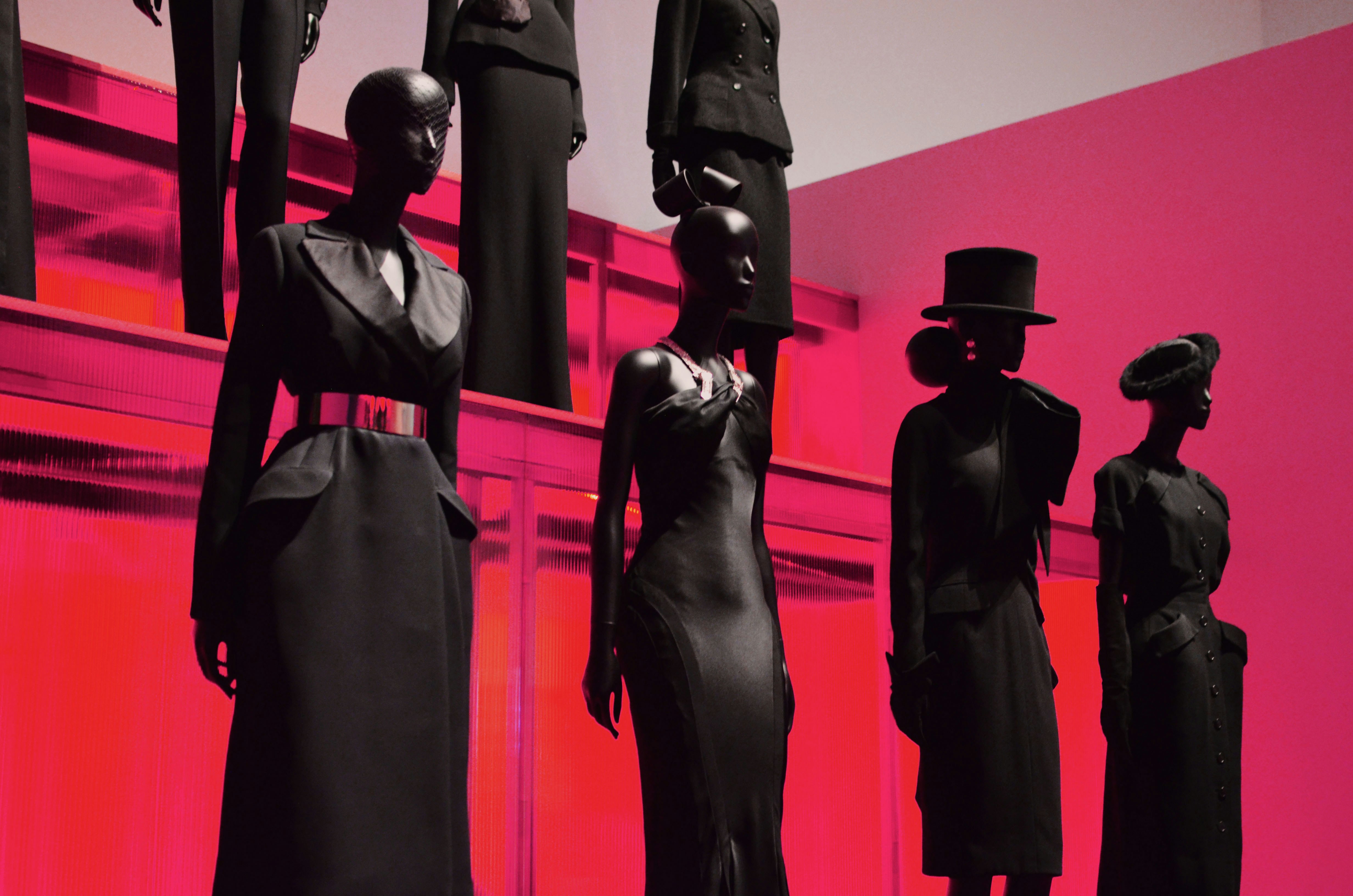

Fashion exists at the intersection of creativity and technology, and now, more than ever, innovation is shaping the landscapes of the industry. As a result of this shift, technology doesn't simply serve as an accessory to fashion, it has also strengthened into a relevant and necessary aspect that propels its artistic canvas forward. Keep reading to learn more about the dynamic and transformative impact of technological — from virtual design studios and digital sketching, to 3D printing and augmented reality — in the world of fashion design. Digital Design Tools: Redefining the Creative Canvas Virtual Design Studios: The fashion industry is flocked by virtual design studios that ideate, sketch, and visualize their collections in a digital atmosphere. And, with the help of technology, programs such as Adobe Creative Suite and CLO 3D contribute to the process, allowing designers to bring their creations to life in a virtual space before any physical cr eation transpires. Digital Sketching and Prototyping: The process of sketching is being reimagined with fashion's newfound accessibility to digital sketching, which enables designers to create intricate sketches with a digital precision that doesn't lend itself to traditional techniques. Moreover, digital prototyping allows designers to refine their designs with rapid iterations and experimentation, which can be efficiently realized at the drive of a button. 3D Printing: From Concept to Couture Prototyping and Sample Production: 3D printing — whose promise far surpassed the industry's expectations for the medium — has revolutionized the way in which design ers develop their garments by generating prototypes and sample garments. Now, designers can produce fully realized details of garments or accessories, and seasonal shoe collections are more resourceful, reducing their material waste and refining their collections before they begin producing samples. Customization and Personalization: Customization and personalization are powerful tools that make their way into 3D printing. Whether it be custom-printed shoes whose sole is crafted to meet the wearer's exact footprint, or 3D printed shades that are customized to fit the precise measurements of the wearer's face, fashion is evolving towards personalization, where an increasing number of shoppers are searching for unique items rather than seeing their closets filled with uniform brand names. Augmented Reality (AR) and Virtual Reality (VR): Elevating the Shopping Experience

Virtual Try-Ons: Online shopping takes an exhilarating new turn with the help of AR and VR technologies. In the luxury fashion world, retailers are now offering virtual try-on shops that are created to provide clients with a visual opening into how their favorite designer garments appear on them — sometimes saving them from add-to-cart regret. Fashion shows have transcended the runway and entered the virtual space. Whether they're held in AR or VR, these immersive events mean designers can show off their latest collections to a global audience without the need to leave their personal studio. In other words, technology has created new opportunities for fashion houses to democratize the exclusivity that has always been associated with high-profile events. Technology has opened the door to materials that respond to environmental changes, form partners or react on their user's behalf. That includes textiles that can adjust their color to match the heat of their surroundings or those that are capable of keeping a close eye on your vitals, possibly alerting your emergency contacts and emergency services should something go wrong. Fashion tech plays a big role in sustainability, helping to cut down fashion's environmental footprint in a few different ways: -- Zero-waste pattern cutting is a technique that helps designers create clothing more efficiently and cut back on waste. This is particularly useful for outfits that follow a wide range of different patterns, and often results in 15 percent less wasted fabric, which in turn means less landfill. -- Another process, 3D knitting, is similar to zero-waste pattern cutting in that it produces minimal waste. 3D knitted items are made by printing in three dimensions using CAD software and can be created in the same way you print out a word-processed document. -- Using garbage to make clothing is another new (and fun) trend in fashion going green. Some designers (such as Christopher Raeburn), construct garments out of recycled plastic bottles, fishnets, vintage parachutes, and old knitwear. embodiment Just as technology has allowed a more diverse set of players to get into the fashion industry, it's also changing the way the fashion industry operates. Here are a few different ways fashion tech is letting big-name brands and small-time designers alike change how fashion is sold: -- Thanks to e-commerce platforms, it's now easier than ever to shop directly from designers. That means designers can sell their goods to a wider audience than ever before, and it means fashion icons can create and sell clothing without the help of a retail expert. -- Unsurprisingly, fashion and social media have practically bled into each other, with designers using social media to bring their collections to the masses -- and customers taking advantage of social commerce features, like being able to buy an item they see on Instagram without leaving it. The next big trend might be happening right on your Instagram feed or Pinterest wall, in other words. Artificial Intelligence is making it possible for new players to get into the business and for old players to change the way they do things -- and these days, few things are more fashionable than disruption. Here are a few ways AI is already changing how our fashion gets made: -- Fashion designers can now use AI to help them predict new fashion trends. By using predictive analytics, fashion designers can use data to help them understand what their target demographic is looking for before they even begin to draw, which dramatically reduces waste. -- Thanks to algorithms, we can keep stock on hand that's ready to ship almost before we realize we need it. We can keep the right ranges of sizes and colors in just the right volumes, so that most of the time, we don't overstock (though we can be ready to add a supply of extra-small swimsuits if a heatwave hits). Finally, we can have a better chance of that stock not being instantly last season. Wearable Technology: Integrating Fashion and Function Smart Clothing: Beyond fitness trackers, wearable technology now includes smart clothing with embedded sensors. From fabrics that adjust based on temperature to clothes that monitor health metrics, fashion and science are coming together. Fashion Tech Accessories: The emergence of fashion tech accessories like smart glasses and augmented reality headgear provides avenues to test new ways designers can merge style and cutting-edge tech. Technology is no longer a mere tool of fashion designers; it’s a base for innovation and creativity. The marriage of fashion and technology is a vibrant partnership that drives the industry forward, reshaping how we create, experience, and relate to fashion. We are entering an era where not only are designers crafting garments; rather they are building experiences, defying limitations, and deciding the very future of an industry that fuses artistry with technology. If you seek to be at the forefront of this thrilling intersection, you may want to look into iACADEMY’s Fashion Design and Technology -program With a curriculum that develops traditional design skills and improves students’ knowledge of leading-edge technologies, iACADEMY shapes the future of fashion for generations to come. Review iACADEMY’s wide array of programs today to help launch your future in revolutionizing the world of fashion. Explore their program offerings now: https://iacademy.edu.ph/fashion/