Animation for Beginners: A Creative Gateway into the World of Digital Art
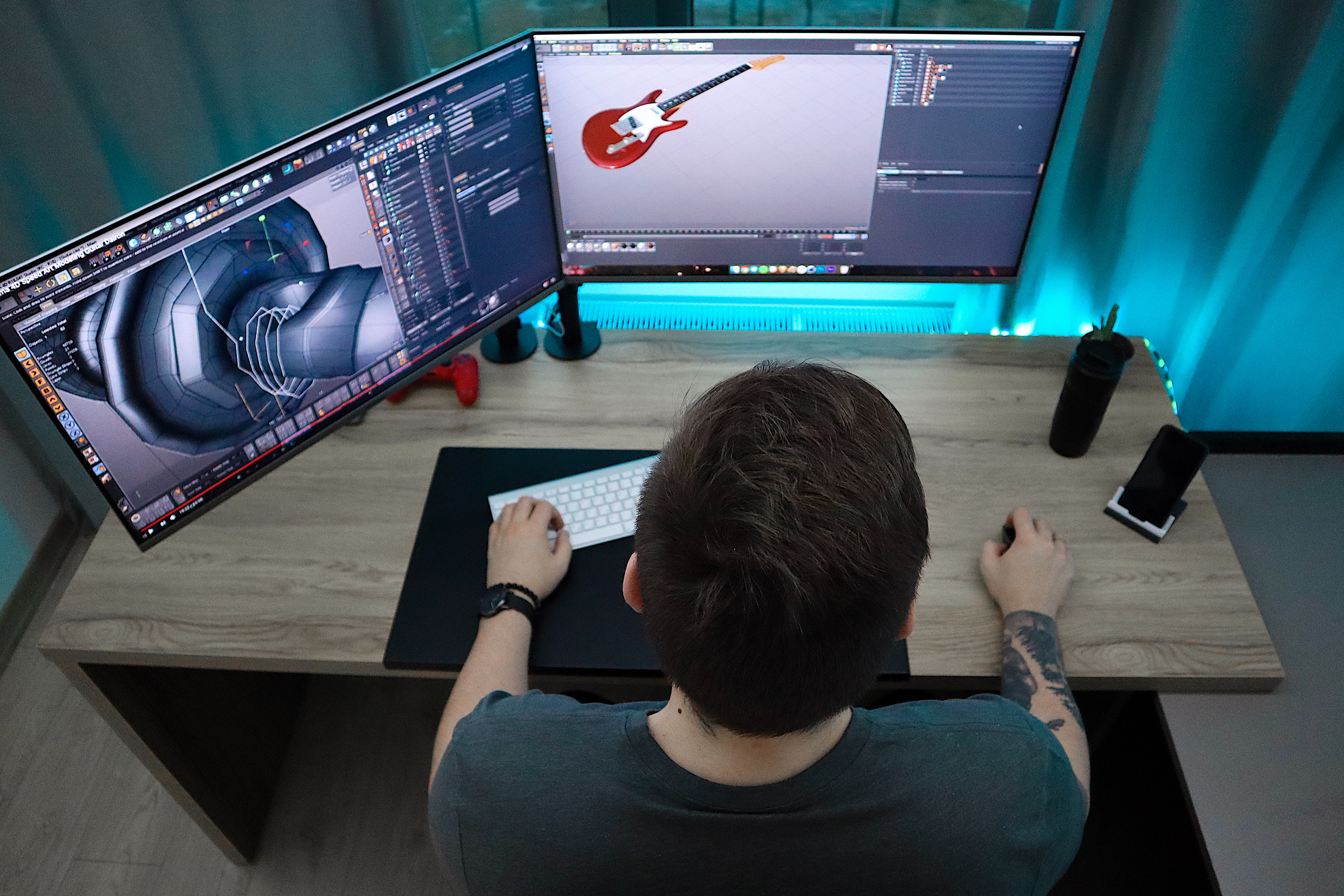

Embarking on a beginner animation journey can be both thrilling and a bit overwhelming as well. Animation tools have become more accessible with advancement in technology so space is full of enthusiastic artists who are ready to show their passion. This blog post will show beginners a way on “How to get started in Animation” covering various insights, tips and lots of reference material to start your animation path.
About Animation:
Frame by Frame Magic: To put it very simply, animation is achieved by showing the viewer a series of individual frames in rapid succession, every frame contributing to the entire movement. When these frames are played in succession they bring to life characters and scenes on screen.
Keyframes and Timing: One of the central concepts in animation is that of keyframes – those individual frames where the main action occurs – there are also corresponding ‘or inbetweens’, a small number of additional frames that add the inbetween ‘tween’ frames to achieve the look of fluid motion.
Choosing Animation Software:

Beginner-Friendly Options: You don’t have to pick up CG animation right at the start, 2D is also a great place to get introduced to the fundamentals of animation. There are a number of different 2D animation software options that are not only available as Free and Open Source, but three of which have a really low barrier to entry without configuration and set up. Pencil2D, Synfig Studio even Blender for 3D animation offer great starting points with user-friendly interfaces and feature sets.
Tutorials and Online Resources: While everyone learns a bit differently, one thing is for sure, and that is that the internet is full of online tutorials that are tailored for beginners making it extremely easy to get up to speed and start animating.
Building a Strong Foundation:
Learn the Principles of Animation: Disney animators Ollie Johnston and Frank Thomas in their book The Illusion of Life, established 12 principles of animation. Things such as Squash and Stretch, Anticipation, and Follow through are a must-learn for all aspiring animators.
Practice Regularly: Lastly, practice will really make the difference in your animation style. As with any skill, the more you practice animation, the better at it that you will become. Start with some simple exercises to really understand the essence of basic movement, and work your way up to larger, more involved exercises to combine everything that you know.
Diving into 2D and 3D Animation:
2D Animation: A perfect starting point for beginners, 2D animation breathes movement into a two-dimensional space. It’s a wonderful way to wrap your head around core animation concepts before the complexity of 3D.
3D Animation: As your skills develop, it might be the time to give 3D animation a go. Software like Blender, Autodesk Maya, or Cinema 4D lets you create characters and environments from a three-dimensional canvas.
Joining Animation Communities:
Connect with Peers: Tap into online communities and forums where aspiring animators trade stories, tips, and resources. The give-and-take of the community can feed you insight, feedback, and a sense of like-minded kinship.
Attend Workshops and Events: Attend an animation workshop or webinar, or just sample your local events calendar and dip your toe in the water. Networking is a major engine of growth in any creative discipline, and animation is no exception.
Staying Inspired and Creative:

Explore Different Styles: Animation is an uncommitted art form, with multiple techniques and styles under its broad umbrella. Try your hand at traditional hand-drawn animation, digital puppetry, or anything in between. You may just discover a style to call your very own.
Draw Inspiration from Others: Follow individual animators and/or studios across platforms like Instagram and Behance. Their work will animate you, and resonant elements are worth adding to your own dresser of animation tools.
Taking your initial steps on the animation adventure, you may find yourself wandering this way and that. But with the right software, resources, and source of story fuel, your imagination may soon be stepping out. Whether you prefer 2D or 3D, or if you one day spread your wings and break into both, always remember the maxim that every frame is an opportunity. With an open heart and the discipline of a dedicated student, allow your imagination to take to the limitless canvas found only in the realm of animation.